New Delhi:
At least seven Indian defence firms have submitted bids to partner with the Defence Research and Development Organisation (DRDO) for the design and development of prototypes of the Advanced Medium Combat Aircraft (AMCA) – the country’s first fifth-generation stealth fighter jet. This comes as September 30 was the deadline for responding to the Expression of Interest (EoI) floated by the Aeronautical Development Agency (ADA).
Leading defence majors submit proposals
The list of bidders includes major players such as Larsen & Toubro, Hindustan Aeronautics Limited (HAL), Tata Advanced Systems Ltd, Adani Defence, Kalyani Strategic Systems among others, defence officials told news agency ANI. A high-level committee led by former BrahMos Aerospace chief A Sivathanu Pillai will now evaluate the bids. According to officials, two firms will be shortlisted and allotted Rs 15,000 crore between them to build five prototypes of the AMCA to the highest standards before production rights are awarded.


Final decision rests with Defence Ministry
The evaluation report and recommendations will be submitted by the Pillai committee to the Ministry of Defence, which will take the final call on selecting industry partners. The Defence Ministry has been closely involved with the AMCA project ever since it received approval from the Cabinet Committee on Security last year. The Defence Secretary has been working in coordination with DRDO and ADA to ensure the ambitious project stays on schedule.
What is the AMCA?
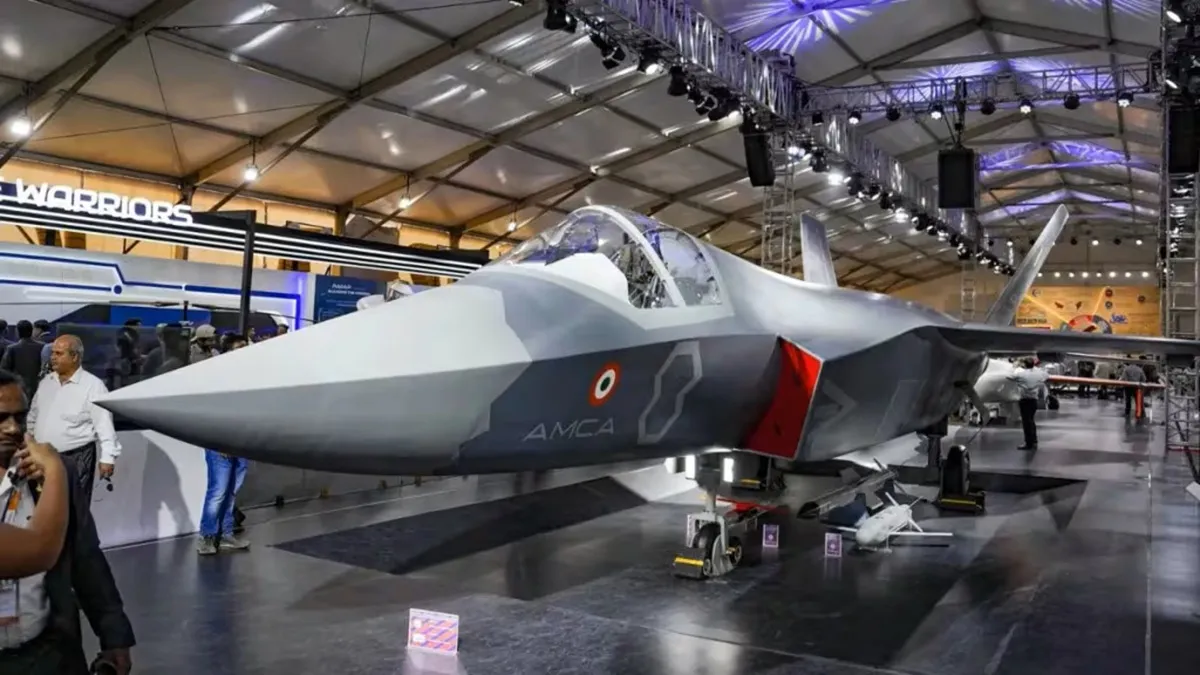
The AMCA is part of a Rs 2 lakh crore mega project that aims to deliver more than 125 next-generation fighter jets to the Indian Air Force. The aircraft, expected to be ready for induction only by 2035, will make India the fourth country in the world to field a fifth-generation fighter after the US, China and Russia.
The indigenous AMCA will be a single-seat, twin-engine aircraft equipped with stealth coatings, advanced avionics and internal weapons bays similar to global fifth-gen fighters such as the F-22, F-35 and Su-57. It is expected to operate at an altitude of 55,000 feet, carry 1,500 kg of armaments internally with an additional 5,500 kg on external hardpoints, and house 6,500 kg of fuel.